Cobra Effect · Thinking and evidence
Steelmanning
Argue against the strongest version of a view, not the weakest.
7 cards, read aloud in 2:09, with a test and sources.
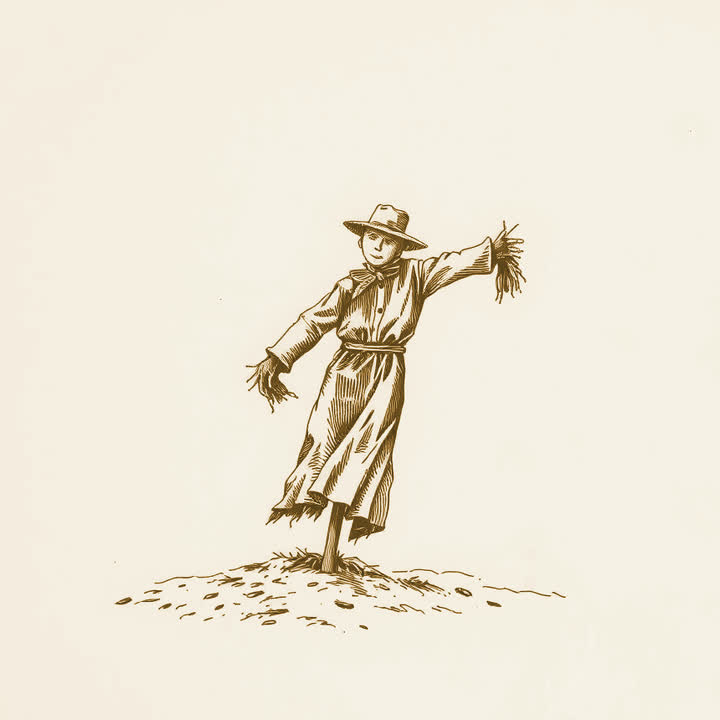
You win the argument. Then you notice nobody changed their mind.
You took the weakest version of what they said and knocked it over. It felt good. It proved nothing, because the version you beat was one you built yourself.
The trick has a name, and it is very old.
A straw man is an argument nobody made, built so it is easy to knock down. You swap their case for a flimsy copy. Then you flatten the copy and take a bow.
The opposite move is to build their case out of steel.
Take what they said and make it as strong as you can. Fix their weak examples. Grant their best point. Then argue against that. If you still win, you have won something real.
Daniel Dennett wrote down how to do it, in 4 steps.
In his 2013 book Intuition Pumps and Other Tools for Thinking he sets out rules he credits to Anatol Rapoport. First, restate your opponent’s position so well that they say they wish they had put it that way.
Three more steps, and only then may you object.
Second, list everything you already agree on. Third, say what you have learned from them. Fourth, and only now, begin your rebuttal. Most arguments never get past the first step.
It is not politeness. It is self defence.
If you only ever beat the weak version, you never find out whether you are right. The word steelman is much newer than the practice and nobody is sure who coined it. The habit of arguing the other side goes back as far as philosophy does.
The test to run before you reply.
Write the other side’s case in your own words. Send it to them and ask if you got it right. If they say yes, you may argue. If they say no, you were about to beat a scarecrow.
Sources
- Straw man, Wikipedia. The move steelmanning answers. History, worked examples, and a section on the opposite habit of arguing against the strongest version of a position instead.
- Intuition Pumps and Other Tools for Thinking, Daniel Dennett, 2013. The four rules credited to Anatol Rapoport sit in the chapter on how to compose a critical commentary. Search the book title to find it.
- Principle of charity, Wikipedia. The older philosophical rule underneath the practice: read an argument in the way that makes it most reasonable before you decide whether it is wrong.
Nearby ideas
- Confirmation bias. We look for evidence that agrees, and rarely test what could say no.
- Motivated reasoning. We set a lower bar for evidence we want to believe.
- The razors. Simple rules for cutting away explanations you do not need.
- Choice overload. Too many options that are hard to compare can stop people choosing.
- Survivorship bias. The failures you never see can reverse the lesson you draw.
- The Dunning Kruger effect. Why the least skilled are often the worst judges of their skill.
- The planning fallacy. Why projects nearly always take longer than we plan.
- Base rate neglect. A good test for a rare thing still gives mostly false alarms.