Cobra Effect · Incentives and systems
Moral hazard
Shield people from a risk and they take more of it.
6 cards, read aloud in 2:38, with a test and sources.
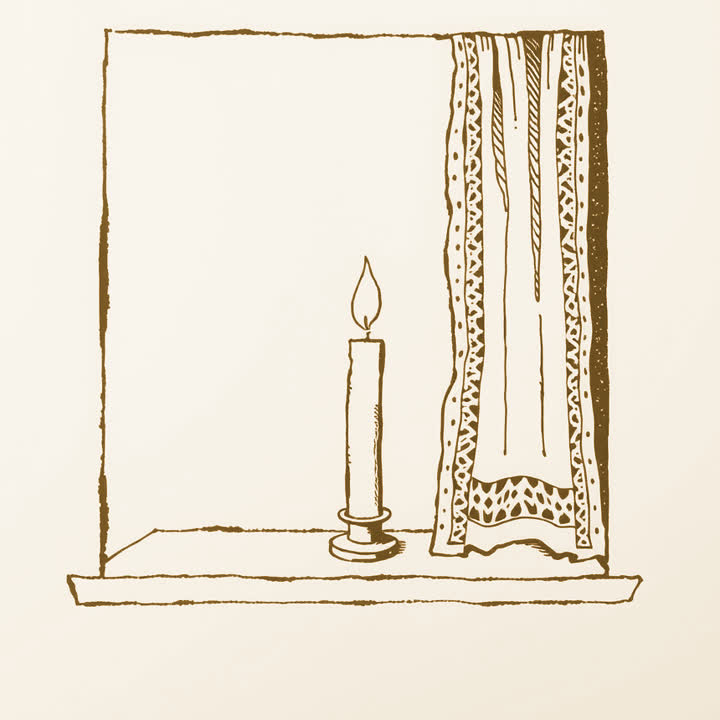
An insurer notices something odd about fires.
Nineteenth century insurance clerks kept careful ledgers. Buildings insured for more than they were worth burned down more often, or so the trade’s own histories say. Not always by arson. Sometimes the owner simply stopped mending the chimney. Why would you? The loss was somebody else’s now.
They called it moral hazard. The name stuck, and it isn’t really about morals.
A person who is shielded from the cost of a risk will take more of it. Not because they are wicked. Because the sum has changed. The economist Kenneth Arrow brought the term into economics in 1963, in a paper about health insurance.
It shows up wherever the person who chooses is not the person who pays.
A driver with full cover parks a little more carelessly. A patient who pays nothing per visit goes in for every sniffle. A tenant whose deposit is already forfeit stops cleaning the oven. Each is a small, sensible response to a risk that has been moved somewhere else.
2008. The biggest moral hazard in history goes by a name coined in 1984. Too big to fail.
Banks had borrowed and bet on a scale that would have terrified their grandfathers. When it went wrong, governments stepped in, because letting them fall would have taken everyone else down too. The rescue was probably right. But every bank watching learned the lesson. Take the risk. If it pays, keep it. If it fails, the taxpayer is there.
Insurers solved most of it a century ago, and their tools still work.
The excess. You pay the first part of any loss, so carelessness still costs you something. The no claims bonus. Careful years are rewarded, so you have a reason to have them. The inspection. Someone checks the chimney before they write the policy. Each one puts a little of the risk back where the decision is made.
The question to ask about any safety net.
Who decides, and who pays if it goes wrong? If those are different people, the net is also a trampoline. You do not have to take the net away. Just make sure whoever jumps feels the landing a little.
Sources
- Moral hazard, Wikipedia. The insurance origins, Arrow’s 1963 paper, the 2008 bailouts, and the economists’ argument about how much of the risk taking the term explains.
- Too Big to Fail, Andrew Ross Sorkin, 2009. The 2008 rescues day by day, from inside the rooms. The moral hazard argument runs through every chapter, usually shouted.
- Too big to fail, Wikipedia. The idea rather than the book. Where the phrase came from, which banks it has been applied to, and the reforms meant to make it untrue.
Nearby ideas
- The tragedy of the commons. Why shared things get used up, and how communities stop it.
- The Cobra effect. Why paying for a result can breed more of the problem.
- Second order effects. Every fix has consequences, and those have consequences too.
- The Jevons paradox. Why making something efficient can make us use more of it.
- Braess’s paradox. Why adding a road can make everyone’s journey slower.
- Path dependence. Why early choices stay locked in long after better ones appear.
- The Lindy effect. The longer an idea has lasted, the longer it is likely to last.
- Antifragility. Some things get stronger from knocks, and fail without them.